Same-Day Care From an Emergency Dentist in Plano, TX
Dental emergencies rarely arrive at a convenient hour. A cracked molar during lunch, a front tooth chipped on a Saturday morning, a swelling that starts as a dull ache and becomes impossible to ignore by evening, these situations feel urgent because they are urgent. Pain can escalate fast, infection can spread, and a damaged tooth often becomes harder to save if treatment is delayed. For patients searching for an Emergency dentist Plano, TX, the real need is not just a quick appointment. It is clear guidance, calm decision-making, and treatment that addresses the immediate problem without losing sight of the bigger picture.
Same-day care matters because teeth and supporting tissues do not pause while a schedule opens up. I have seen cases where a patient waited just one extra day, hoping the pain would settle, only to arrive with more swelling, a more difficult procedure, and fewer conservative options. I have also seen the opposite, patients who came in promptly for what looked like a minor crack and left having avoided a root canal because the issue was treated early. That is the practical value of emergency dentistry. Timing changes outcomes.
What counts as a dental emergency
Many people are not sure whether they should call right away or wait for a routine visit. That hesitation is understandable. Not every dental problem requires immediate treatment, but many deserve same-day evaluation even if the pain seems manageable at first.
A true emergency often involves one of three things: severe pain, active infection, or trauma. Severe pain can signal an exposed nerve, a deep cavity, a cracked tooth, or pressure from an abscess. Infection is especially concerning because it does not always stay localized. Swelling in the gums, face, or jaw can progress quickly, and if it affects swallowing or breathing, it moves beyond dental urgency into a medical emergency. Trauma includes knocked-out teeth, partially displaced teeth, broken restorations that expose the tooth, and injuries to the lips, gums, or jaw.
Then there are the gray-area problems. A crown falls off and the tooth underneath is not hurting much. A filling fractures, leaving a sharp edge. A patient notices a small gum boil that drains and then quiets down. These may not look dramatic, but they still deserve prompt attention. The temporary calm can be misleading. A tooth can lose structure, the bite can shift, or a chronic infection can flare.
In a busy community like Plano, people often try to work around pain. Parents push through school pickups. Professionals sit through meetings with over-the-counter pain relievers. Athletes assume a chipped tooth can wait until after the weekend tournament. The trouble is that oral pain tends to interfere with sleep, concentration, and nutrition long before a person admits how disruptive it has become. By the time someone starts searching for an emergency dentist in Plano, TX, the situation usually needs a same-day answer, not a spot two weeks from now.
Why same-day treatment changes the outcome
There is a practical difference between reassurance and treatment. Reassurance has value, especially when a patient is scared, but if the issue is a cracked cusp, an abscessed tooth, or uncontrolled bleeding, what helps most is intervention.
Take a cracked molar. If the crack is caught before it runs below the gumline, the tooth may be restorable with a crown. If the patient keeps chewing on it for several more days, that same tooth may split beyond repair. A dislodged crown is another good example. If the crown comes off and the underlying tooth is protected quickly, the dentist may be able to recement it or make a straightforward replacement. If the tooth is left exposed, it can become sensitive, decay can advance, or the tooth can shift enough to complicate the fit.
Infections create their own timeline. A tooth abscess can begin with pressure and mild soreness, then become throbbing pain, visible swelling, and tenderness to touch. Drainage or antibiotics alone may reduce symptoms for a short time, but the source of infection still needs definitive care, usually root canal therapy or extraction depending on the condition of the tooth. Same-day care gives the dentist a chance to manage pain, assess spread, and create a treatment plan before the problem grows into something more serious.
There is also a human side to urgency. Dental emergencies can be frightening in a very specific way. Pain inside the mouth feels intimate and hard to escape. You cannot fully rest from it. You still need to eat, talk, and sleep. Same-day emergency care restores a sense of control. Even when definitive treatment will take more than one visit, patients usually feel relief once the cause is identified and the first step is taken.
The problems emergency dentists in Plano see most often
An emergency dental schedule in Plano tends to reflect everyday life. Sports injuries, hard foods, worn old fillings, grinding, untreated decay, and postponed preventive care all show up. Some patterns are especially common.
Toothaches lead the list. They may come from deep decay, failing restorations, gum infection, or a crack that is not visible without imaging and a careful exam. Patients often describe the pain in useful ways: sharp Emergency dentist Plano, TX vitalitydentaldfw.com with cold, lingering after sweets, throbbing at night, sore to bite, or radiating toward the ear. Those details help distinguish between reversible irritation and a tooth that may need root canal treatment.
Broken teeth are close behind. A patient bites into an olive pit, popcorn kernel, or crusty bread and feels a sudden snap. Sometimes it is a small chip with no pain. Sometimes half the tooth is gone, leaving exposed dentin or pulp. Front tooth fractures carry an emotional weight beyond the physical damage because people worry immediately about appearance, work, and social situations.
Lost crowns and fillings are common because many restorations have a finite life. Cement washes out. Recurrent decay weakens retention. Teeth flex under heavy bite forces. The emergency may seem minor, but the exposed tooth can become painful fast, especially with temperature changes.
Dental infections appear in every age group. In younger patients they often stem from untreated cavities. In older adults they may involve cracked root structures, failing root canal-treated teeth, or advanced periodontal disease. Swelling can range from subtle puffiness around a gumline to obvious facial asymmetry. That spectrum is why same-day evaluation matters.
Traumatic injuries, though less frequent, demand especially quick action. A knocked-out permanent tooth has the best chance of survival if it is repositioned or professionally managed as soon as possible. Minutes matter. An avulsed baby tooth is a different situation and should not be replanted, which is one reason families benefit from speaking directly with a dentist rather than guessing from internet searches.
What happens during a same-day emergency visit
Patients often imagine an emergency appointment as rushed or incomplete. In reality, a good same-day visit is focused, not careless. The goal is to diagnose the problem accurately, reduce immediate risk, relieve pain where possible, and decide whether definitive treatment can be completed that day or needs staging.
The visit usually begins with a conversation detailed enough to matter. When did the pain start, what triggers it, has there been swelling, fever, trauma, a lost restoration, or trouble chewing. Medications and medical history matter, especially for patients on blood thinners, those with diabetes, or anyone with a history of joint replacement, heart conditions, or immune compromise. Those details shape both the urgency and the safest treatment path.
A targeted exam follows. The dentist may tap on teeth, test temperature response, evaluate mobility, inspect gums, and check the bite. X-rays are often essential, and sometimes more than one angle is needed to see the actual problem. A crack line can hide. An abscess may show as a dark area at the root tip, or it may not yet be obvious radiographically if symptoms are early. Wisdom and judgment matter here. The best emergency dentists do not rely on a single sign.
If treatment can be completed immediately, it often is. That may mean recementing a crown, smoothing a sharp fractured edge, placing a sedative or temporary filling, draining localized infection, initiating root canal therapy, extracting a tooth that cannot be saved, or prescribing medication when indicated as part of a larger plan. Some conditions need a follow-up visit for a permanent crown or more extensive restorative work, but the acute phase is addressed first.
That distinction is important. Emergency dentistry is not only about patching things up. It is about stabilizing the situation in a way that preserves future options.
When to call right away and when a short delay may be reasonable
People often do better with concrete guidance than vague advice. If you have any doubt, call. A brief conversation with a dental office can sort urgent from non-urgent surprisingly well. These situations generally warrant immediate contact:
- severe tooth pain that keeps you from sleeping, eating, or functioning
- swelling of the gums, face, or jaw, especially if it is spreading
- a knocked-out, loose, or displaced permanent tooth
- uncontrolled bleeding after dental work or trauma
- a broken tooth with exposed inner tooth structure or significant pain
By contrast, a tiny chip with no sensitivity, mild soreness after a recent procedure, or a loose orthodontic bracket may not require middle-of-the-night intervention, though it should still be reported. The challenge is that symptoms evolve. What was mild at 3 p.m. Can be intense by 10 p.m. That is why early communication is often the best strategy.
What you can do before you reach the office
Home care does not replace treatment, but the right steps can prevent a manageable problem from getting worse on the drive over. People sometimes make emergencies harder by trying internet fixes that are outdated or simply wrong. Placing aspirin directly on the gums is one example. It can burn soft tissue without treating the source of pain.
The most useful pre-visit steps are straightforward:
- rinse gently with warm salt water if the area is irritated or debris is trapped
- use a cold compress on the outside of the face for swelling or trauma
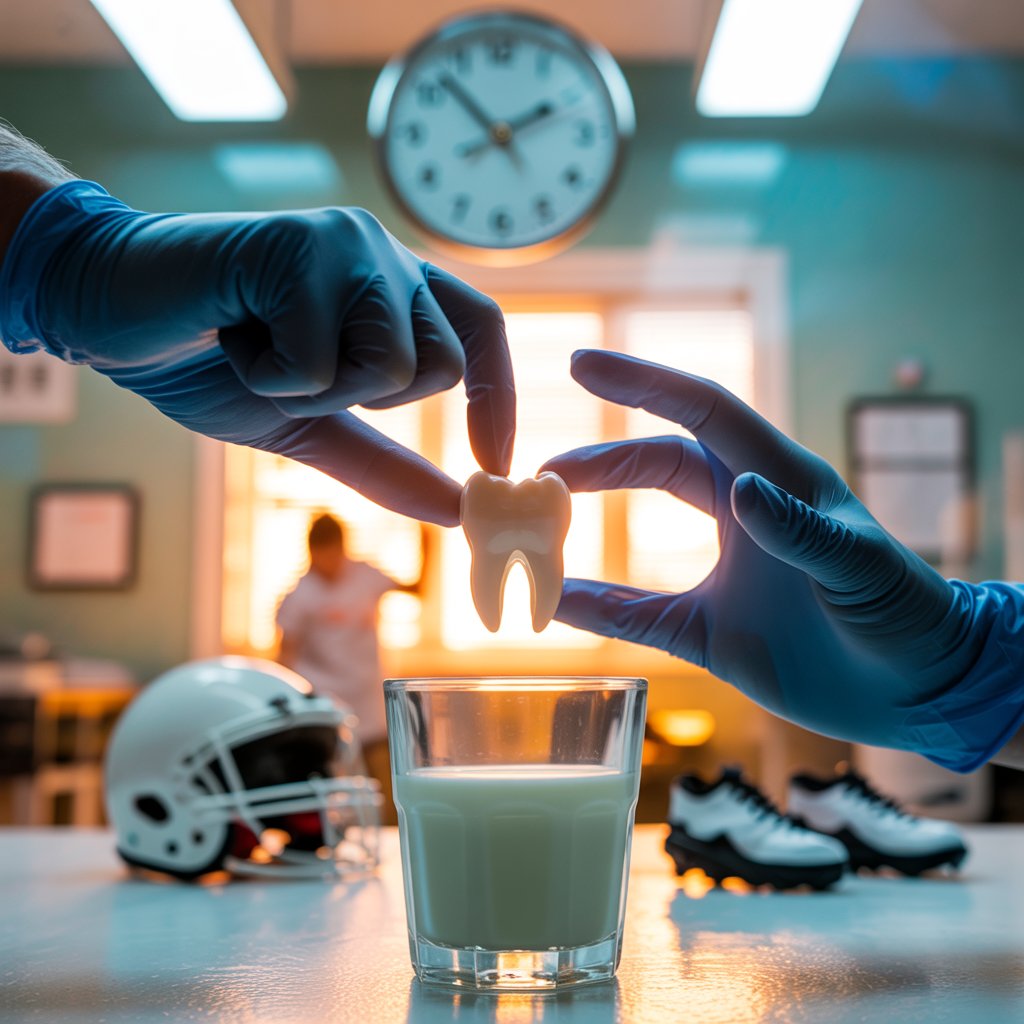
- keep a knocked-out permanent tooth moist in milk or saliva, and handle it by the crown, not the root
- avoid chewing on the affected side
- take medication only as directed and only if it is safe for your medical history
A temporary dental cement from a pharmacy can sometimes hold a crown in place for a short period, but it should be used carefully. If the bite feels high or the crown will not seat fully, forcing it can create a worse problem. For a broken tooth, covering a sharp edge with dental wax may prevent cuts to the tongue or cheek. These are stopgaps, not solutions.
The hidden cost of waiting
One of the most common misunderstandings about emergency dental care is that waiting saves money. Sometimes it does the opposite. A small cavity that causes sensitivity may be treatable with a filling. The same tooth, after weeks of delay and intermittent pain, may need root canal therapy and a crown. A cracked cusp can often be restored if addressed early. A split tooth may need extraction and replacement with an implant or bridge, which is a much larger financial and biological commitment.
There is also the cost in time. Same-day care often means one focused visit and a planned follow-up. Delayed care can mean urgent visits after hours, stronger medications, missed work, and more complicated recovery. Parents know this especially well. A child with dental pain does not sleep much, which means the household does not sleep much either.
From a clinical standpoint, delay reduces options. Dentists prefer conservative treatment when it is realistic. No one wins when a salvageable tooth becomes non-restorable because the patient had to endure one more weekend first.
Choosing the right emergency dentist in Plano, TX
Availability matters, but availability alone is not enough. When patients search for an Emergency dentist Plano, TX, they are usually under stress, which makes it harder to evaluate a practice clearly. A few practical qualities are worth looking for.
First, the office should be able to communicate plainly. You want staff who can ask the right questions, explain whether you need to come in immediately, and tell you what to bring or do beforehand. That first phone call often reveals a lot about how the practice handles urgency.
Second, the dentist should be equipped for diagnosis and common emergency treatment, not just triage. Digital imaging, restorative capability, endodontic assessment, and extraction planning all improve the chance that something meaningful can be done during the first visit.
Third, judgment matters as much as technology. A good emergency dentist knows when a tooth can be stabilized, when referral is appropriate, and when a symptom points to something beyond the tooth itself, such as a sinus issue, neuralgia, or jaw joint problem. Experience shows up in those gray areas.
Fourth, transparency helps. Patients should understand the likely next steps, whether treatment is temporary or definitive, and what the realistic prognosis is. That matters especially when there are trade-offs. A badly broken tooth might be restorable, but only with a guarded long-term outlook and significant expense. An honest conversation serves the patient better than false reassurance.
Special considerations for children, older adults, and anxious patients
Emergency care is never one-size-fits-all. A seven-year-old with a swollen gum above a primary tooth needs a different discussion than a healthy thirty-five-year-old with a fractured crown. Children may have trouble describing pain accurately. They often point to the wrong side or report chewing pain as an earache. A calm, efficient office can make the difference between a manageable visit and a traumatic one.
Older adults bring their own complexity. Root caries, brittle restorations, reduced saliva from medications, and medical conditions can all influence treatment choices. A patient with osteoporosis medications, anticoagulants, or a history of radiation to the head and neck requires a more tailored approach. Same-day care is still possible, but it must be thoughtful.
Anxious patients deserve mention because dental emergencies tend to amplify existing fear. Pain reduces patience. Swelling changes how people feel about appearance and control. In practice, the best emergency visits for anxious patients are those where the team moves with confidence but not haste, explains each step, and focuses first on relief. A person who arrives tense and embarrassed about “waiting too long” often needs reassurance as much as anesthesia.
After the emergency is handled
The immediate crisis is only part of the story. Once pain eases, many patients feel tempted to move on and skip the recommended follow-up. That is understandable, especially if work, school, or cost pressures are real. Still, the tooth and surrounding tissues usually need a final plan.
A temporary filling may buy time, but it is not designed for long-term chewing forces. A tooth opened for infection control may still need full root canal therapy and a crown. An extraction site may require discussion of replacement so neighboring teeth do not drift. Trauma cases often need monitoring because a tooth that tests normal initially can later develop pulpal damage.
This is where same-day emergency care connects back to routine dentistry. Emergencies are often the visible tip of a slower process. Night grinding, old restorations, untreated decay, and skipped cleanings all increase the odds of needing urgent care. The acute visit solves the immediate problem, but prevention reduces the chance of another one.
A practical word about pain, antibiotics, and expectations
Patients often hope for antibiotics to solve dental pain. Sometimes antibiotics are necessary, especially when there is swelling, fever, or evidence of spreading infection. But many painful dental problems are mechanical or inflammatory rather than bacterial in a way that antibiotics alone can fix. A cracked tooth will still be cracked. An inflamed pulp in a deeply decayed tooth will not heal because of a prescription.
That is why definitive treatment matters. Draining infection, removing decay, protecting a fracture, performing root canal therapy, or extracting a non-restorable tooth addresses the cause. Medication may support treatment, but it is rarely the whole answer.
Expectation-setting is part of good emergency care. Not every tooth can be permanently restored on the same day. Not every painful tooth needs extraction. Not every swollen gum means the tooth is hopeless. Patients do best when the dentist explains what can be accomplished immediately, what has to wait for healing or lab work, and what signs would require urgent re-evaluation.
Why local access matters in Plano
Plano is large enough, busy enough, and active enough that local access to same-day dental care makes a real difference. Commutes, school schedules, youth sports, and business travel leave little margin for a dental issue that suddenly demands attention. A nearby emergency dental office reduces delays, which is clinically important, but it also makes follow-up more realistic. A patient is far more likely to return for a crown seat, bite adjustment, or healing check if the office fits into daily life.
For families, local care also means less chaos. Parents trying to manage a child’s tooth injury after practice do not need a long drive layered on top of stress. Working adults with a cracked molar between meetings need an office that can evaluate and stabilize the situation promptly. Convenience is not superficial in these moments. It supports timely treatment.
That is one reason the phrase Emergency dentist Plano, TX appears so often in urgent searches. People are not browsing. They are looking for someone close enough, prepared enough, and experienced enough to help now.
The bottom line on same-day emergency dental care
Dental emergencies are rarely just about pain. They affect sleep, work, family routines, confidence, and, most importantly, the long-term health of the tooth and surrounding structures. Same-day care gives patients the best chance to control damage early, relieve suffering, and preserve options that may disappear with delay.
Whether the issue is a severe toothache, facial swelling, a broken tooth, a lost crown, or trauma from an accident, prompt evaluation matters. A skilled emergency dentist Emergency dentist Plano, TX does more than squeeze patients into the schedule. They identify the real problem, treat what can be treated right away, and map out the next steps with clarity.
For anyone searching for an Emergency dentist Plano, TX, the goal is simple: find care that is fast, careful, and grounded in sound clinical judgment. Teeth can often be saved. Pain can usually be reduced. But the best outcomes tend to belong to the patients who call early, come in promptly, and let the emergency visit be the start of a proper solution, not just a temporary pause in symptoms.
Vitality Dental
1220 Coit Rd # 106, Plano, TX 75075, United States
+1 972-645-4100
FAQ About Emergency dentist Plano, TX
Will the ER do anything for dental pain?
An emergency department can assess urgent symptoms and provide medical stabilization. Definitive treatment of the tooth usually requires a dentist. Seek emergency medical care for breathing or swallowing difficulty, uncontrolled bleeding, or serious facial injury.
What to do if I have a dental emergency in the middle of the night?
Contact a dentist or after-hours dental service promptly for guidance. If a permanent tooth is knocked out, keep it moist in milk while seeking immediate care. If symptoms suggest a medical emergency, go to an emergency department.
What qualifies as a dental emergency?
A knocked-out permanent tooth, severe or persistent tooth pain, a significant dental injury, or swelling may require urgent dental assessment. Call a dentist to describe the symptoms and determine timing. Uncontrolled bleeding or difficulty breathing or swallowing requires emergency medical care.