What to Expect During Your First Emergency Dentist Appointment
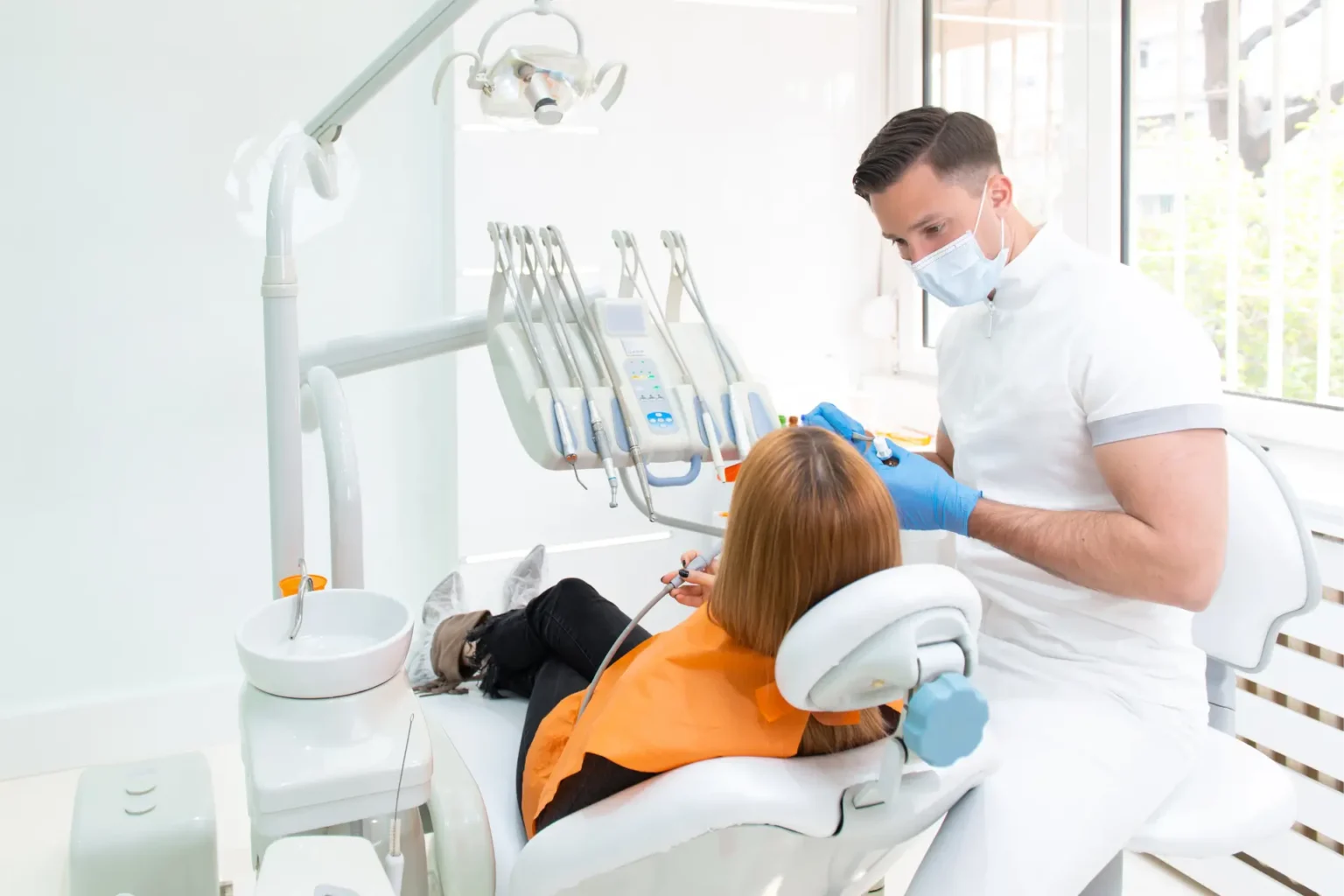
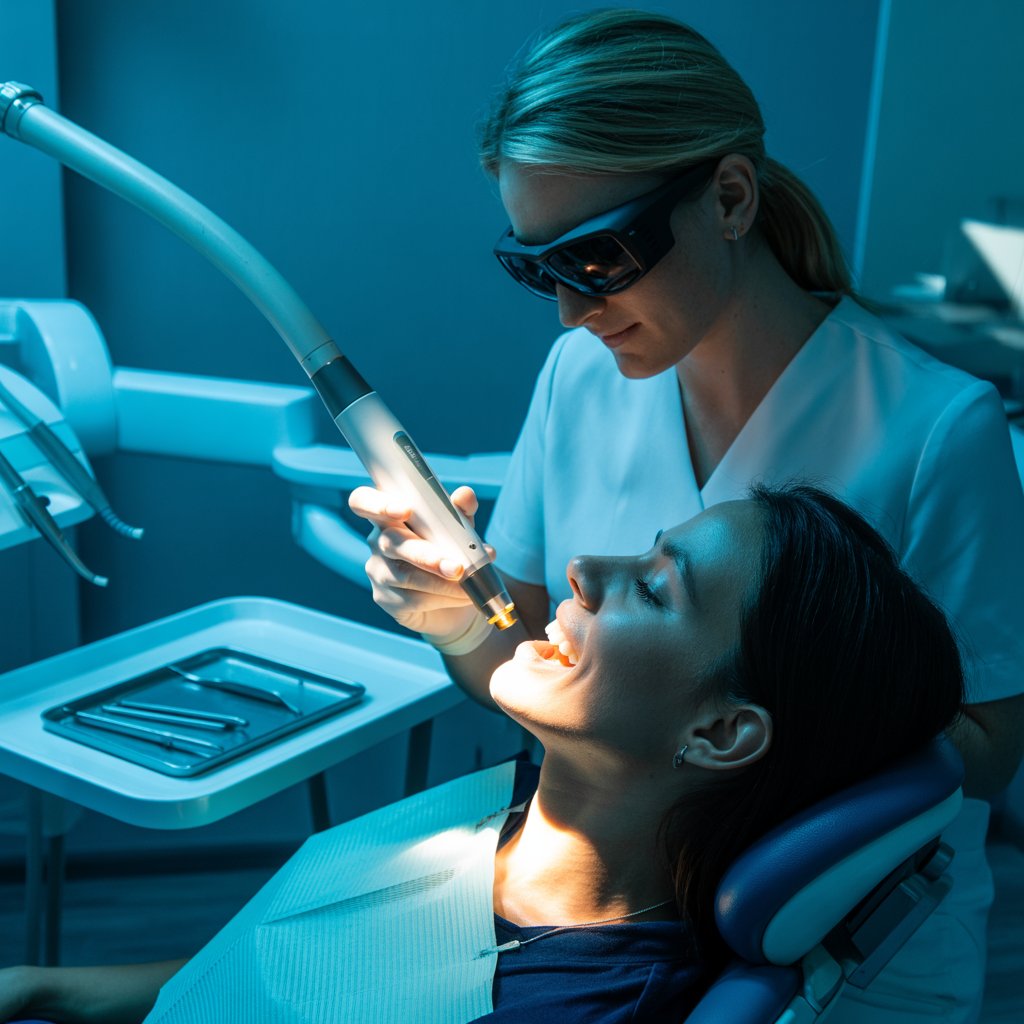
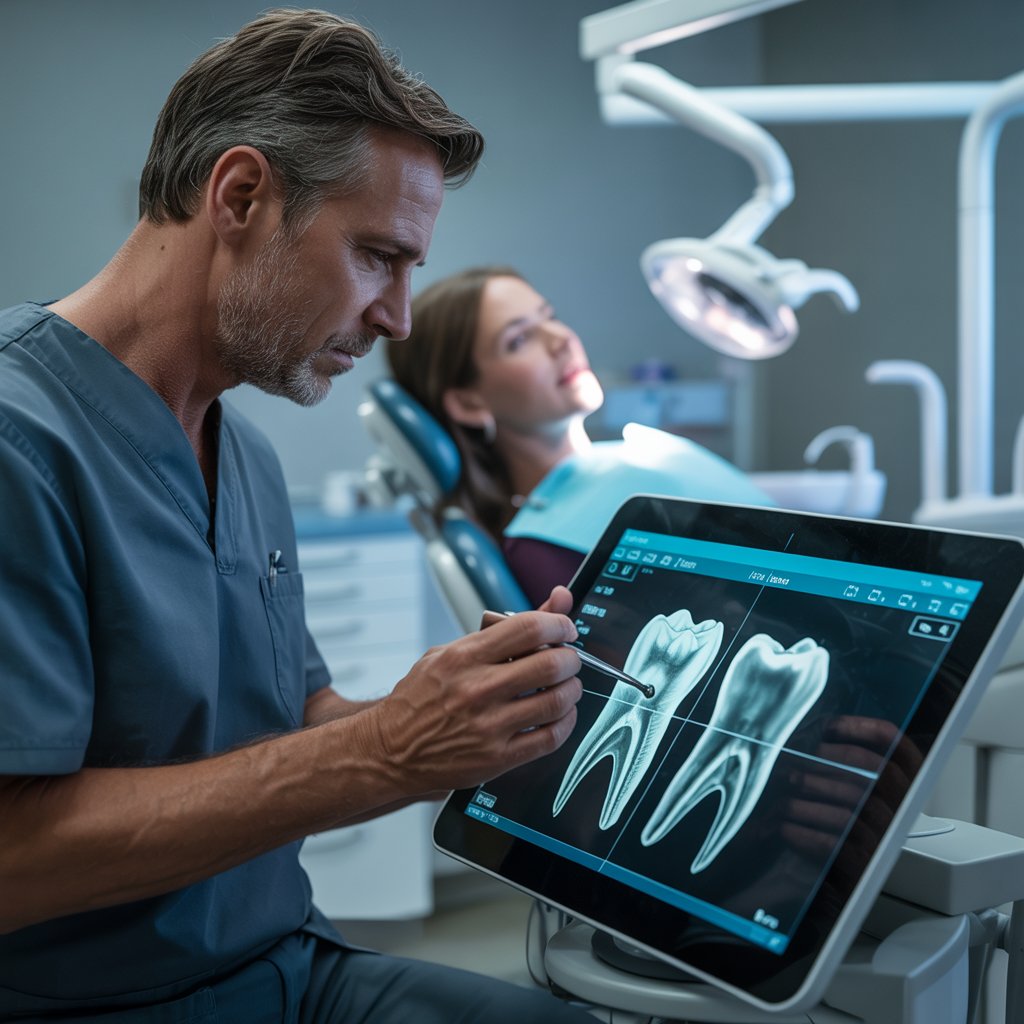
A first visit to an emergency dentist rarely happens on a good day. Most people arrive worried, uncomfortable, short on sleep, and unsure whether the problem is truly urgent or simply painful. Some come in holding a chipped front tooth in a tissue. Others have a throbbing molar that kept them awake all night. Parents walk in with frightened children after a playground fall. Adults show up embarrassed because they ignored a problem until swelling made it impossible to wait any longer.
That atmosphere matters, because emergency dental care is different from a routine checkup in one important way: the first priority is not a polished, long-range treatment plan. It is stabilization. The goal is to identify what is wrong, control pain, reduce immediate risk, and decide what has to happen next, whether that means a same-day procedure, medication, monitoring, or referral.
If you have never needed urgent dental care before, it helps to know what the appointment usually looks like from the moment you call to the moment you leave. Expectations do not erase anxiety, but they do make the experience feel more manageable.
What counts as a dental emergency
Not every dental problem needs same-day care, but some absolutely do. Severe tooth pain that does not ease, facial swelling, trauma, bleeding that will not stop, signs of infection, or a knocked-out tooth all deserve prompt attention. A cracked crown on a painless back tooth might wait a short time. A cracked tooth with sharp pain when biting is a different story.
One of the most common misunderstandings is assuming that pain level alone decides urgency. It does not. Some dangerous infections begin with pressure rather than dramatic pain. A dead tooth can be surprisingly quiet until swelling appears. On the other hand, a tiny exposed nerve can create intense pain without posing the same systemic risk as a spreading infection. A good emergency dentist is trained to sort that out quickly.
As a rule, these problems should push you to seek urgent dental care as soon as possible:
- Significant swelling of the gums, jaw, or face
- A knocked-out, loose, or displaced adult tooth
- Uncontrolled bleeding after trauma or an extraction
- Severe tooth pain that interferes with sleep, eating, or normal function
- A broken tooth with exposed inner structure or signs of infection, such as fever or foul-tasting drainage
Even then, context matters. A person with diabetes, a weakened immune system, recent surgery, or difficulty swallowing may need a faster response than someone with the same dental issue but no complicating health history.
Before you even arrive
The appointment often starts with a phone call, and that call is more important than many people realize. The front desk or triage staff will usually ask what happened, when it started, whether there is swelling, whether you have a fever, and whether the pain is constant or triggered by cold, heat, or pressure. If the issue involves trauma, they may ask whether you hit your head or lost consciousness. If so, you may be told to seek medical evaluation first.
This early screening helps the office judge how quickly you need to be seen and whether they have the right setup for your problem. For example, a general emergency dentist can manage many urgent issues, including abscesses, fractures, and severe decay, but complex facial trauma may belong in a hospital or oral surgery setting.
If you are dealing with a knocked-out adult tooth, time is critical. The office may tell you to place the tooth in milk or saliva and come in immediately. If a crown or filling fell out, they may suggest temporary measures to protect the area until you arrive. If swelling is spreading rapidly or you are having trouble breathing, the right answer is not a dental office at all, it is emergency medical care.
The first few minutes at the office
Emergency dental visits tend to move faster than routine ones, but there is still an intake process. You will usually be asked for identification, insurance details if you have them, a medication list, allergy information, and a brief medical history. If you are in obvious distress, many offices keep this as streamlined as possible. They know no one wants to fill out forms while holding an ice pack to their cheek.
Do not be surprised if the team asks detailed questions that seem unrelated to your tooth. Conditions such as heart disease, pregnancy, bleeding disorders, recent joint replacement, osteoporosis treatment, and certain medications can affect what is safe to do that day. Blood thinners, for instance, do not always prevent treatment, but they change how a dentist plans extractions or drainage. A history of bisphosphonate use can influence surgical decisions. Even a routine antibiotic choice may change if you have drug allergies or kidney issues.
If you are anxious, say so early. Dental teams handle this every day, and they usually adapt well when they know what they are working with. Some patients need a slower explanation. Others do better with short, direct communication and fast action. Neither response is unusual.
Expect a focused exam, not a full cosmetic workup
A first emergency appointment is targeted. The dentist’s immediate task is to find the source of the problem and determine how urgent it is. That usually begins with a conversation about symptoms and a visual exam of the mouth, gums, tongue, jaw, and surrounding tissues. They may gently tap teeth, check for mobility, test the bite, look for drainage, and examine any broken restorations.
Most emergency visits also involve dental X-rays. A standard photo of your smile will not reveal the whole story. The dentist often needs to see the root, surrounding bone, decay under an old filling, or the position of a fractured tooth. If trauma is involved, several angles may be necessary. In some offices, more advanced imaging is available when the picture is unclear, especially for fractures, impacted teeth, or infection patterns that do not show cleanly on basic X-rays.
Patients sometimes expect the painful tooth to be obvious right away, but dental pain can be misleading. It is common for one inflamed tooth to make the entire side of the face ache. Upper back teeth can mimic sinus pain. Clenching can create widespread soreness that feels like a Emergency Dentist tooth problem. Part of the emergency dentist’s skill is not just treating pain, but locating its true source before doing something irreversible.
Pain control is usually the first real intervention
Once the problem is identified, attention turns to relief. That may sound simple, but it often requires judgment. There is a difference between masking pain for a few hours and relieving it in a way that buys safe time until definitive treatment can be completed.
The dentist may numb the area with local anesthetic, even if a larger procedure is not happening immediately. For someone who has spent a sleepless night with pulsing nerve pain, that alone can feel dramatic. If the issue is an abscess, pressure relief may matter more than anything else. If a tooth is cracked, covering exposed dentin or smoothing a sharp edge can make an immediate difference. If a crown is loose but the tooth underneath is stable, recementing it temporarily may solve the short-term problem.
Medication can be part of the plan, but it is not always the main event. Antibiotics help when there is a bacterial infection with signs of spread or swelling. They do not fix every toothache. Severe pulp inflammation inside a tooth, for example, often requires dental treatment rather than just medicine. This is where some people are surprised. They expect a prescription and a return visit. Sometimes that is appropriate. Sometimes the only real fix is a procedure that same day.
The treatment itself may be shorter than you think
Many first-time emergency patients assume the appointment will either solve everything at once or do almost nothing. In practice, it often lands in the middle. A typical urgent visit aims to get you out of danger and out of acute pain. Definitive treatment may happen that day, or it may be scheduled after the emergency is controlled.
Common same-day treatments include drainage of an abscess, placement of a temporary filling, smoothing a fractured tooth, recementing a crown, extracting a tooth that cannot be saved, or beginning root canal treatment to remove inflamed tissue and stop severe pain. Sometimes a dentist opens the tooth, relieves pressure, places medication, and finishes the root canal later when things have settled down.
This can feel unsatisfying if you expected a one-and-done answer, but it is often the most sensible approach. Tissues that are severely inflamed do not always respond predictably. Numbing can be harder. Swelling can obscure anatomy. If a person arrives exhausted, dehydrated, and frightened, forcing a long procedure is not always wise. Emergency care often works best in stages.
A good example is a badly infected molar. On day one, the priority may be to drain infection, reduce pain, and decide whether the tooth is restorable. Once swelling drops and imaging has been reviewed carefully, the patient and dentist can make a sound choice between root canal treatment and extraction. That is not delay for delay’s sake. It is risk management.
If the tooth was knocked out or broken in an accident
Dental trauma follows its own script. A knocked-out adult tooth creates a narrow treatment window, which is why offices react quickly to those calls. If the tooth has been handled properly and the timing is favorable, the dentist may attempt to reimplant it. They will clean the area, assess damage, reposition the tooth, and often stabilize it with a splint. The long-term outlook depends on several variables, including how long the tooth was out of the mouth, how it was stored, and whether the root surface remained viable.
A tooth that is not fully knocked out but has shifted can also be an emergency. Repositioning may be possible, but it is time sensitive. Chipped front teeth raise another concern that patients notice immediately: appearance. Even in an emergency setting, dentists understand the psychological impact of visible dental trauma. Temporary bonding or smoothing may be done the same day to protect the tooth and help you leave without feeling self-conscious, even if a more refined repair comes later.
With any accident, the dentist also thinks beyond the teeth. Lip lacerations, jaw injury, concussion signs, and bite changes matter. A patient may be referred for broader medical evaluation if the pattern of trauma suggests deeper injury.
You may leave with a temporary solution, and that is normal
People sometimes hear the word temporary and assume it means incomplete care. In emergency dentistry, temporary measures are often exactly the right care. A temporary filling can protect a tooth until definitive restoration is placed. A sedative dressing can calm an angry nerve. A drain or incision can relieve infection while medication and follow-up do their job. A short-term splint can stabilize a traumatized tooth long enough for healing and reassessment.
Temporary care works well when it is paired with clear expectations. You should know what was done, what symptoms are normal afterward, what warning signs are not normal, and when the next step should happen. If that explanation feels rushed, ask for it again. Emergency visits move quickly, and patients in pain do not always absorb instructions the first time.
Questions about cost and insurance usually come up, and they should
Urgent dental treatment can be stressful financially, especially when it is unexpected. Fees vary based on location, imaging, time of day, complexity, and whether treatment is limited to evaluation or includes procedures. There is no honest universal number that covers every emergency visit, but there is a practical pattern: an exam and X-rays cost less than surgical care, and after-hours trauma treatment tends to cost more than a weekday urgent slot.
What matters most during your first visit is clarity. Ask what is necessary today versus what can wait. Ask whether the proposed treatment is stabilizing care or definitive care. Ask whether there are reasonable alternatives if cost is a barrier. Experienced emergency dentists discuss trade-offs all the time. Saving a tooth with root canal treatment and a crown may be possible, but extraction may be the more realistic choice for some patients. That conversation can be emotionally loaded, especially when the tooth is visible or when a patient has postponed care because of money before. A professional office will address it directly rather than pretending cost does not matter.
What you should bring, if you have time
If the situation allows even a few minutes to prepare, a handful of items can make the visit smoother:
- A list of current medications and drug allergies
- Your dental insurance card, if applicable
- Any broken tooth fragment, crown, or knocked-out tooth stored as instructed
- A brief note about when symptoms began and what makes them worse or better
- The name of a person who can drive you home if you expect sedation or feel unwell
If you have recent dental records from another office, those can help, but do not delay seeking care because you cannot gather paperwork. Immediate treatment decisions are usually based on the current exam and imaging.
What recovery may feel like in the first 24 to 48 hours
The ride home is often the first moment patients realize how tense they were. Once the adrenaline drops, questions tend to surface. Is this soreness normal? Why is the numbness lasting so long? Should I start the medication now or wait until pain returns? That is why discharge instructions matter.
After an emergency dental procedure, some tenderness is expected. Numbness may last a few hours. If an extraction was done, you may notice oozing, stiffness, or difficulty chewing on that side. If the dentist treated an infection, pressure may improve before swelling fully resolves. If a temporary filling or dressing was placed, the bite may feel slightly different at first. What should not happen is worsening facial swelling, trouble swallowing, fever that develops or climbs, uncontrolled bleeding, or pain that escalates sharply despite following instructions.
One practical point patients often appreciate only later: keep your follow-up appointment, even if you feel much better. The tooth that stopped hurting after emergency treatment may still need root canal therapy, a permanent filling, a crown, or extraction. Symptoms can quiet down before the underlying problem is truly solved.
The emotional side of an emergency visit
There is also a human side to these appointments that does not show up on X-rays. People apologize for the condition of their teeth. They worry they waited too long. They expect a lecture. Good emergency dentists know pain changes behavior. Fear, cost, work schedules, caregiving responsibilities, and bad prior experiences all shape how long someone delays care.
That matters because shame can make people hold back useful information. They minimize how long the issue has been there. They do not mention the antibiotics they had left over and started taking on their own. They say the crown “just fell off,” when in fact it has been loose for months. Honesty helps the dentist make better decisions. It is not about blame. It is about reducing surprises.
For first-time emergency patients, one of the most reassuring realizations is that dental teams are rarely shocked by what they see. They have treated infections before holidays, broken dentures before weddings, and cracked molars on Sunday mornings. The setting may feel chaotic from your side of the chair, but from theirs, it is familiar territory.
How to know if the appointment went the way it should
A successful first emergency dental appointment does not always mean the problem is finished. It means the key questions were answered. What is causing the pain? Is there immediate risk? What was done today? What should you expect next? When should you worry? What is the follow-up plan?
If you leave knowing those answers, your visit likely did what emergency care is supposed to do. The pain may not vanish instantly. The final restoration may still be ahead of you. You may still need to decide between treatment options. But the uncertainty should be lower, not higher.
The best emergency dentist visits are often remembered not because they were pleasant, but because they replaced panic with a plan. When your mouth hurts badly enough to disrupt sleep, work, eating, or basic concentration, that kind of clarity is not a small thing. It is the first real step back toward normal.
Vitality Dental
1220 Coit Rd # 106, Plano, TX 75075, United States
+1 972-645-4100
FAQ About Emergency Dentist
What counts as a dental emergency?
A knocked-out tooth, significant mouth injury, severe tooth pain, or painful swelling warrants prompt evaluation. Call your dentist and describe your symptoms so the office can advise you on how urgently you need care.
What should I do if I knock out a permanent tooth?
Call a dentist immediately. Handle the tooth by the crown, avoid touching the root, and keep it moist. If you cannot put it back into the socket easily, transport it in milk or a tooth-preservation solution. Bring it with you to the appointment.
Should I go to the emergency room for a dental emergency?
Seek emergency medical care right away if you have trouble breathing or swallowing, uncontrolled bleeding, or a serious facial injury. For an isolated tooth injury or toothache without those symptoms, call a dentist promptly for guidance.